A major legal battle has been launched against the Government of the United Kingdom, as members of the Akamba community seek justice for alleged colonial-era injustices that they say continue to affect millions today.
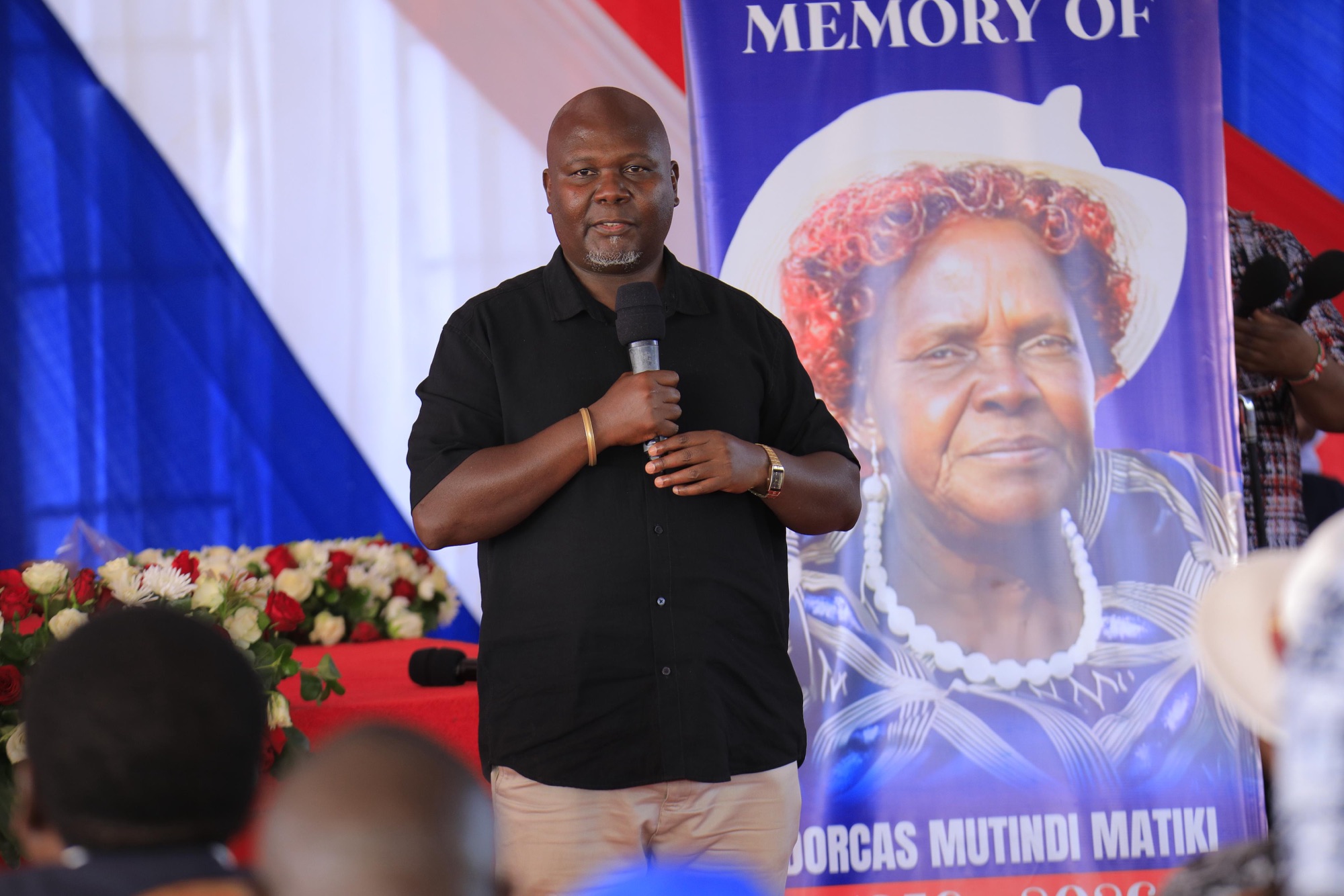
The case is being spearheaded by Augustus Kyalo Muli, who serves as the National Patron of the Anzauni Clan and leader of the National Liberal Party. The claim accuses British colonial authorities of systematically dispossessing the Akamba people of fertile land, confiscating livestock, and suppressing cultural practices, including the traditional brewing of kaluvu.
According to court documents, the community was forcibly relocated to semi-arid regions with limited rainfall, a move that disrupted livelihoods and pushed many into poverty. The claim further alleges that colonial policies forced Akamba men into military service and labor under harsh conditions described as “subjection by starvation.” Today, the community argues, the long-term effects of those actions remain visible, particularly in parts of Makueni County, where some elderly residents reportedly still live in poor conditions decades after displacement.
The legal team behind the case brings together both local and international expertise. It includes Leigh Day, known for successfully securing compensation for Mau Mau veterans in 2013, Bosek & Co. Advocates, and the Kenya Human Rights Commission. The team is relying on historical records such as colonial administrative reports, parliamentary Hansard archives, and recent court findings to support their claims.
The case draws on international legal frameworks, including the ILO Forced Labour Convention of 1930 and precedents like the Ogiek v Kenya (2022), which recognized indigenous land rights and ordered reparations.

Among the demands presented are a formal apology from the UK Parliament, financial compensation for an estimated five million Akamba people, and restitution of alienated land, starting with over 5,000 acres in Makueni. The community is also seeking cultural restoration measures, including recognition of traditional practices and the return of historical artifacts, alongside development support for essential services such as education, healthcare, and water.
Muli has called on all 22 Akamba clans to unite in support of the case by providing testimonies and preserving historical evidence, including family records and burial sites. He emphasized that while the legal process may be lengthy, previous cases have shown that sustained efforts can yield results.
“This is not misfortune. This is a historical crime,” he said, expressing confidence that the case will restore the community’s dignity and economic standing.
The lawsuit now sets the stage for what could become one of the most significant colonial reparations claims involving a Kenyan community in recent years.
Ends/////