Court Awaits Verdict on Legal Recognition of Akamba Traditional Brews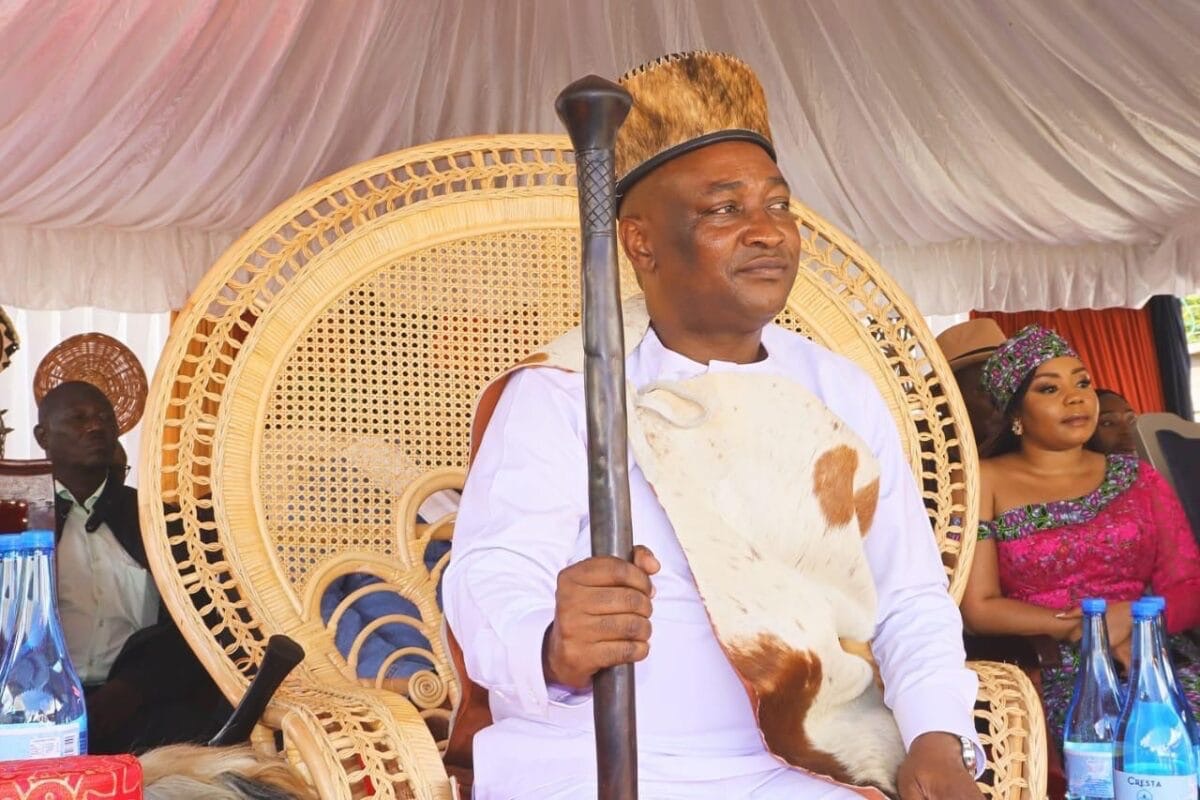
By TCD TEAM
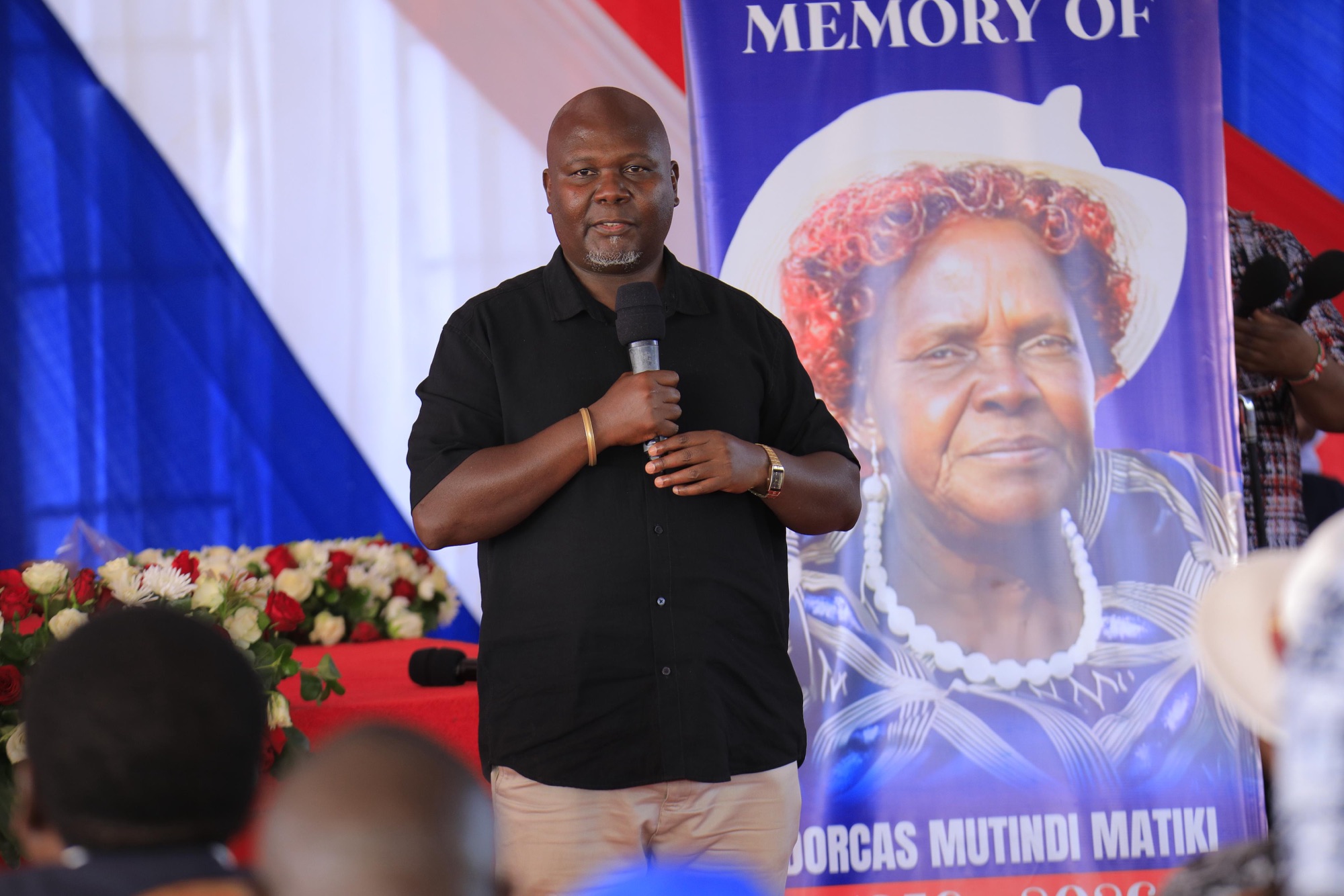
For Many years, Kenya’s indigenous communities have watched aspects of their cultural heritage steadily pushed to the margins—often branded illicit, unsafe, or unworthy of legal protection. Few individuals have taken this contest beyond public debate and into the constitutional arena. One who has is Dr. Augustus Kyalo Muli.
In April 2024, Dr. Muli, acting in his capacity as National Patron of the Anzauni Ndene Clan, filed a constitutional petition at the Kitui High Court seeking legal recognition of the Akamba traditional brews kaluvu and mawa. In the petition, he challenged their classification as illicit alcohol, arguing that such treatment discriminates against the Akamba community and violates constitutional rights to culture and participation in cultural life.
Through his advocate, Charles Mwalimu, Dr. Muli asked the court to declare that kaluvu and mawa are not illicit drinks and that members of the Akamba community should be free to brew and consume them without state interference. He further sought orders directing the Cabinet Secretary for Interior and the Attorney General to take practical steps within 30 days of any ruling to exempt the brews from conventional licensing requirements, contending that they should be recognised strictly as cultural beverages.
The petition also proposed that any future regulation concerning the preparation of the drinks should fall under the custodianship of the Anzauni Ndene Clan, reflecting Dr. Muli’s view that cultural governance should guide legal frameworks affecting indigenous practices. In advancing his case, he cited a February 2024 High Court decision in Kiambu which ruled that muratina, a Kikuyu traditional drink, is not an illicit brew when prepared as part of cultural practice.
The High Court referred the matter to Justice Elizabeth Karani, with a mention held on May 28, 2024, to manage procedural issues. The case is now awaiting judgment, expected in early February 2026, following extended deliberations.
As the wait continues, the petition has ignited wider debate within legal, cultural, and policy circles. Supporters argue that criminalising traditional brewing has undermined rural livelihoods—particularly affecting women for whom kaluvu and mawa hold both cultural and economic importance. Critics, while acknowledging cultural value, maintain that concerns around public health, safety, and regulation cannot be ignored.
Throughout the proceedings, Dr. Muli has maintained a measured public stance, framing the case as a pursuit of constitutional clarity and fairness rather than confrontation. This approach has gradually reshaped his public profile, especially in Kitui Central, where he is increasingly viewed as a potential parliamentary aspirant ahead of the 2027 General Election.
As the High Court prepares to deliver its ruling, the case carries implications far beyond the Anzauni Ndene Clan. At its core lies a fundamental question: can Kenya’s legal system strike a balance between preserving cultural heritage and maintaining regulatory order in a way that respects tradition while safeguarding the public interest? For Dr. Muli, the courtroom has become more than a legal forum—it is a defining platform in a broader political and cultural journey toward 2027.