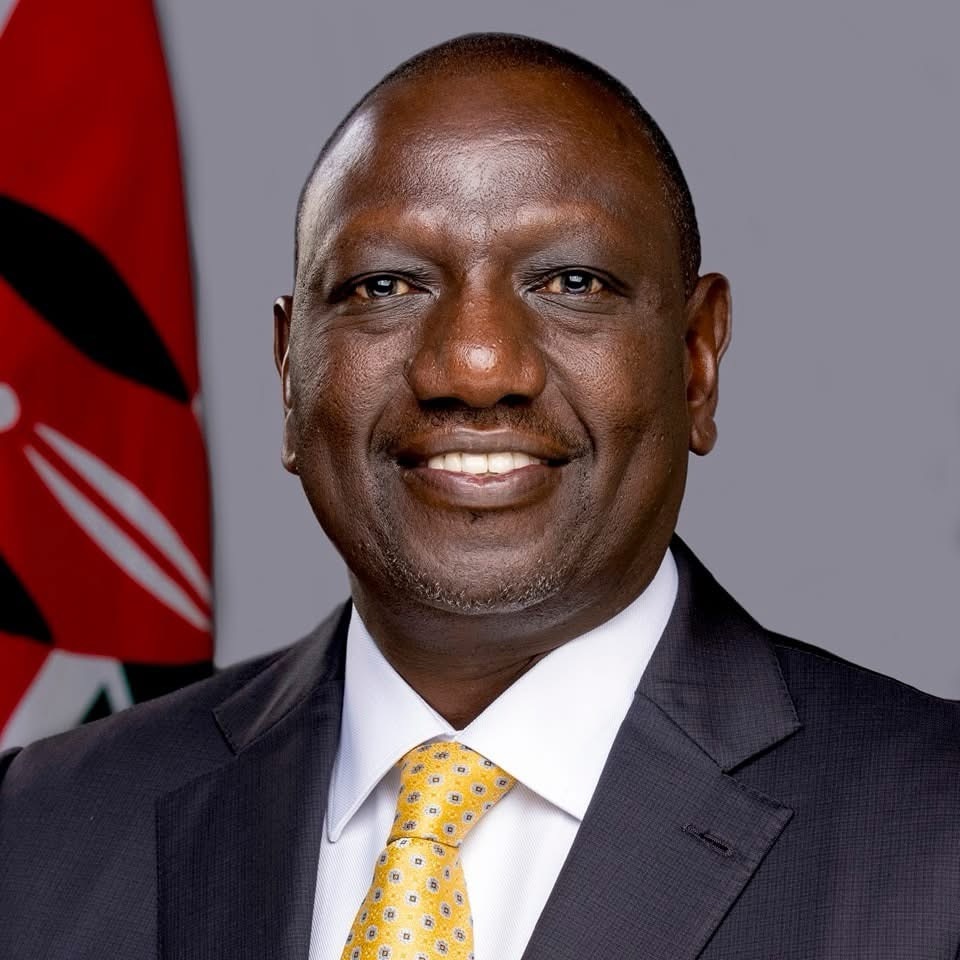
By YOANA KIMWELE
The 2027 presidential race is already shaping into a high-stakes political contest, with analysts warning that defeating President William Ruto will demand a strategic, well-organised, and message-driven campaign. According to emerging political commentary, the opposition must abandon what critics describe as “Onetam nonsense narratives” and instead craft a serious, data-driven roadmap rooted in national realities. Commentators argue that misjudging the strength of the incumbent would be a grave mistake.
President Ruto, now firmly settled in office, is widely regarded as one of the sharpest political minds in Kenya’s recent history. His allies frequently point to his unbeaten election record—stretching from his early days as MP to his ascension to State House—as proof of tactical mastery and strong grassroots mobilisation. Political observers say any opponent who underestimates this record risks walking blindly into a defeat.
The presidency has also given Ruto additional visibility, resources, and an expanded political machinery that continues to penetrate regions previously considered opposition strongholds. This consolidation, analysts note, only raises the bar for any challenger hoping to dislodge him in 2027. As one commentator put it, “The man in State House is not a clown; he plays long-term chess while others play short-term checkers.”
For the opposition, the ongoing challenge is the lack of a unified message and a coordinated national structure. While various figures have emerged to criticise government policies, analysts argue that this criticism remains scattered, personalised, and rarely tied to a coherent alternative vision. Without a united front and a clear plan, experts warn, the opposition is simply shadowboxing.
Political strategists further emphasise that public sentiment is increasingly shaped by tangible issues—jobs, agriculture, cost of living, and regional development. They say the opposition must anchor its 2027 campaign in solutions that resonate with voters’ day-to-day struggles rather than relying on emotional or populist attacks. “Narratives alone cannot beat a well-organised incumbent,” one analyst noted.
Additionally, the opposition is being urged to invest in strong grassroots networks, digital mobilisation, coalition-building, and credible policy proposals. With Kenya’s electorate becoming more informed and more demanding, superficial rhetoric is unlikely to sway undecided voters or shift entrenched regional loyalties. A winning strategy, analysts insist, must combine messaging discipline, strategic alliances, and consistent countrywide engagement.
As 2027 approaches, political temperatures are likely to rise, but experts insist that the path to defeating President Ruto—if at all possible—will rely on intelligence, unity, and strategic precision. Anything short of that, they warn, will only hand the incumbent an easy victory.
////